There are four steps in startup discovery. Sourcing, screening, research, and tracking. Most teams automate none of them.
Which is fine, until a company you should have backed six months ago closes its Series A with someone else.
AI-driven platforms can handle three of those four steps almost entirely. The fourth one stays human. Here is what actually gets automated, what does not, and the gap most platforms do not mention.
What startup discovery actually is
Before platforms matter, the process matters.
Sourcing. Finding companies that match your thesis before they appear on everyone's radar. This means monitoring job boards, patent filings, GitHub activity, app store launches, news mentions, domain registrations, and LinkedIn company pages.
Screening. Filtering the sourced list against criteria. Stage, geography, sector, team size, growth signals, funding history. Most teams do this in a spreadsheet.
Research. Building a picture of each company that passes screening. Founder backgrounds, market size, competitive landscape, customer signals. This is where most analyst time goes.
Tracking. Logging what happened, who spoke to whom, where a company sits in the pipeline, and what changed since the last review.
All four are repeatable processes. Three are automatable. Most firms automate zero.
What AI platforms actually do

Sourcing. The better platforms are not databases you search. They are signal monitors. Harmonic.ai tracks hiring velocity, product launches, and web traffic patterns across millions of companies. Grata surfaces bootstrapped businesses that never appear in Crunchbase because they have never raised. Dealroom aggregates funding data, team composition, and traction signals globally.
You define the pattern. The platform watches for it continuously. When a company fits, it surfaces. The alternative is an analyst checking the same sources manually, which is what most firms do.
Screening. Once a company is sourced, AI platforms score it against your criteria. Founded in the last three years. Team size between 10 and 50. Revenue signals suggesting early traction. Category matching your thesis. PitchBook and CB Insights let you build screening criteria and filter thousands of companies in seconds. What takes an analyst a week takes the platform a query.
Tracking. Affinity and similar relationship intelligence tools auto-log every email, meeting, and introduction. When a founder contacts someone on your team, the record updates. When a company raises a new round, the deal notes reflect it. When six months pass since your last touchpoint, the platform flags it.
The CRM stays accurate without anyone updating it. That alone is worth noting, because most CRMs are not accurate, because no one has time to update them.
What AI platforms cannot automate
Research is the step that stays human.
A platform can tell you a founder previously worked at Stripe and has 12 years in fintech. It cannot tell you whether that person is someone you would back when things go sideways. It can aggregate customer reviews and web traffic trends. It cannot tell you whether the market is real or the traction is sustainable.
Conviction is not a data problem. Platforms that imply otherwise are selling the data layer and calling it judgment.
The reference call, the founder dinner, the read you get from a second meeting. Those stay yours. The question worth asking about any platform: what does this give me more time to do? If the answer is not "spend more time with founders," the platform is solving the wrong problem.
Where the actual gap is
Most platforms solve the data problem. Few solve the workflow problem.
A firm can have Harmonic surfacing 200 new companies a week, Affinity logging every touchpoint, and PitchBook screening by stage and sector. The data layer is complete. Then someone manually emails the analyst, who manually creates a Notion page, who manually adds the company to a Slack channel for team review, who manually sends a follow-up to the founder, who manually logs the outcome.
That handoff chain is the gap. And it is fully automatable with tools most firms already pay for.
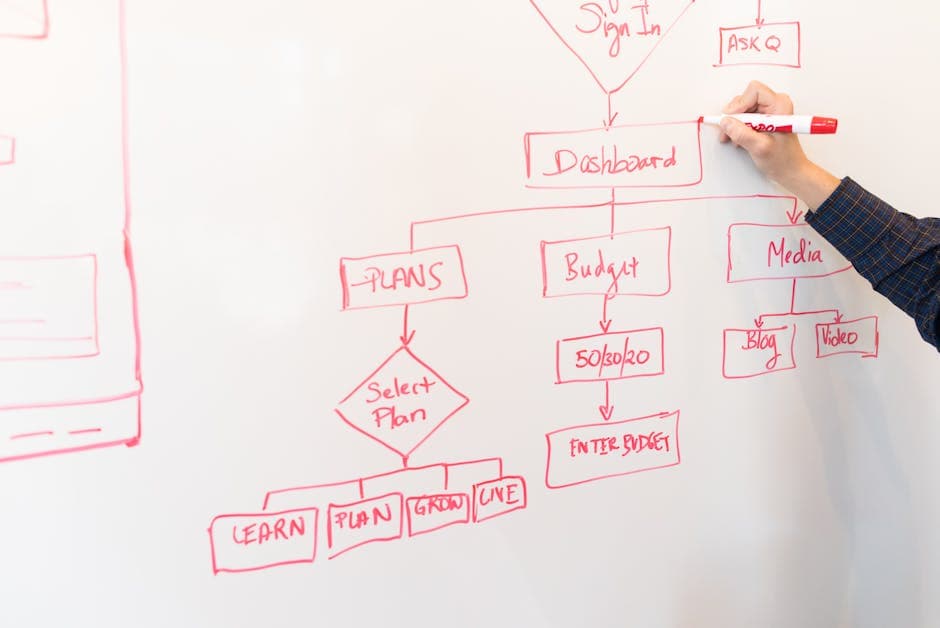
Sourcing triggers an intake form. The intake form creates a CRM record. The record assigns to an analyst and generates a research brief. Completion routes to partner review. The review outcome triggers founder communication. The whole sequence runs without a coordinator managing it.
Sales reps spend roughly a third of their workday on administrative duties and save an average of 6 hours per week when that work is automated, according to HubSpot's 2024 research. The same pattern holds for analysts: most of the week goes to coordination, not judgment. Automating the coordination does not replace the analyst. It gives them their week back.
When you do not need any of this
If you are reviewing fewer than 20 companies a month, a shared spreadsheet and a standard inbox will do. The setup cost of a platform plus workflow automation exceeds the hours saved until the volume justifies it.
If your deal flow is relationship-driven and arrives through warm intros, sourcing automation adds nothing. You are not discovering companies in a database. You are responding to people you already know. The bottleneck is not sourcing.
Buy the platform when the data layer is genuinely missing. Build the workflow automation when the data layer exists but the coordination around it is still manual. Those are two different problems. Most firms with a sourcing budget have not separated them.
What to ask before buying a platform
Most platform demos describe the outcome, not the data quality. Every platform shows you the founder profile, the automated alert, the scoring dashboard. None of them show you the false positive rate on their sourcing model or how often a record is six months out of date.
Three questions that reveal more than the demo:
What does a false positive look like and how often does it happen? Any platform sourcing at scale will surface companies that do not fit. Ask what percentage of alerts require no action. That number is the noise you will manage weekly.
How is data verified and how often is it wrong? Startup data decays fast. A company that raised 12 months ago may have pivoted, shrunk, or shut down. Ask when a specific record was last updated and by what method.
What does integration with our existing CRM actually look like? Not on the roadmap. In production, at a firm using your specific stack. The integration is where most platforms break down in practice.
The summary
AI-driven platforms automate sourcing, screening, and tracking in startup discovery. Research and judgment stay human.
The platforms that exist are good at surfacing signals and poor at knowing what to do with them. The workflow connecting a signal to a decision to a founder conversation to a logged outcome is still, at most firms, a person doing it by hand.
That workflow is what is worth automating. The platform gives you the data. The automation gives you the process. Most firms have invested in the first and ignored the second.
If you want to map what your discovery workflow looks like running automatically end to end, get your free automation scope. We will tell you what is worth building and what is not.
Sources: HubSpot State of Sales 2024 · Harmonic.ai · Affinity relationship intelligence · Dealroom startup data